2 min read
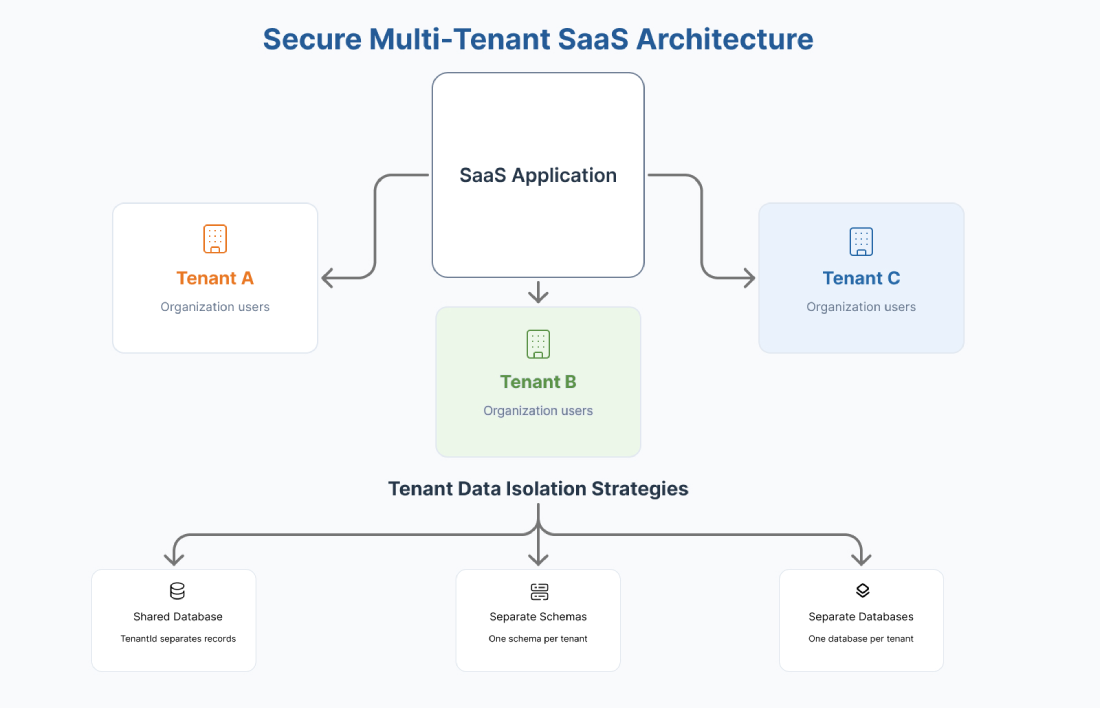
Building Secure Multi-Tenant SaaS Applications
A practical look at tenant isolation, authorization, data boundaries and the mistakes that can expose customer data.
How to separate domain logic, application workflows, infrastructure and API concerns without creating unnecessary abstraction.
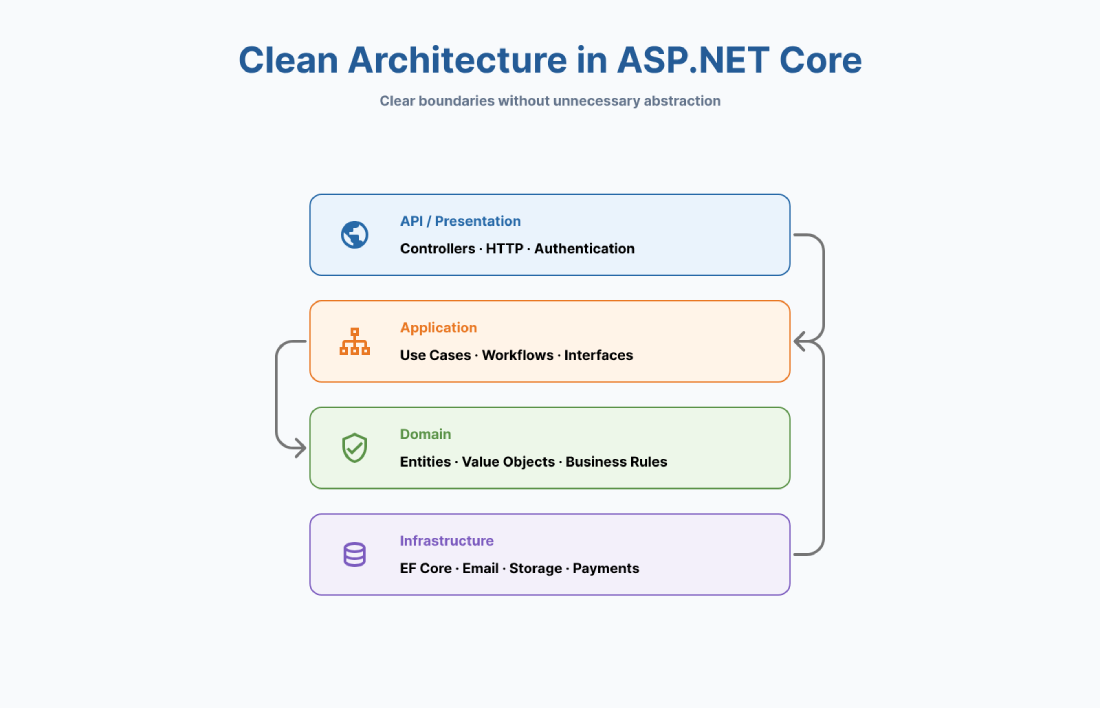
Clean Architecture can make a growing application easier to maintain, but only when its boundaries solve real problems. Adding layers and interfaces without a clear reason can make development slower instead of safer.
Entities and value objects should protect important invariants instead of acting only as database containers.
Business decisions that do not depend on external systems belong close to the domain model.
The application layer coordinates use cases such as creating an invoice, inviting a member or approving a workflow step.
It should depend on abstractions for persistence, email, files and external services.
Entity Framework Core, email providers, storage services and payment integrations belong in infrastructure.
This keeps the business and application layers independent from specific vendors.
Controllers should validate the HTTP boundary, resolve the current user and delegate the use case.
Large controllers often indicate that business logic has leaked into the presentation layer.
Strong software architecture is not about adding the most layers. It is about protecting the boundaries that matter.
Use architecture boundaries to protect real responsibilities.
Do not create interfaces only for the sake of having interfaces.
Keep controllers focused on HTTP concerns.
Let infrastructure depend on the application, not the opposite.
Planning a related product? Explore FCODE's backend and API development.
Tell us what you are building and which technical problems you need to solve.
Continue reading about software architecture and delivery.
A practical look at tenant isolation, authorization, data boundaries and the mistakes that can expose customer data.
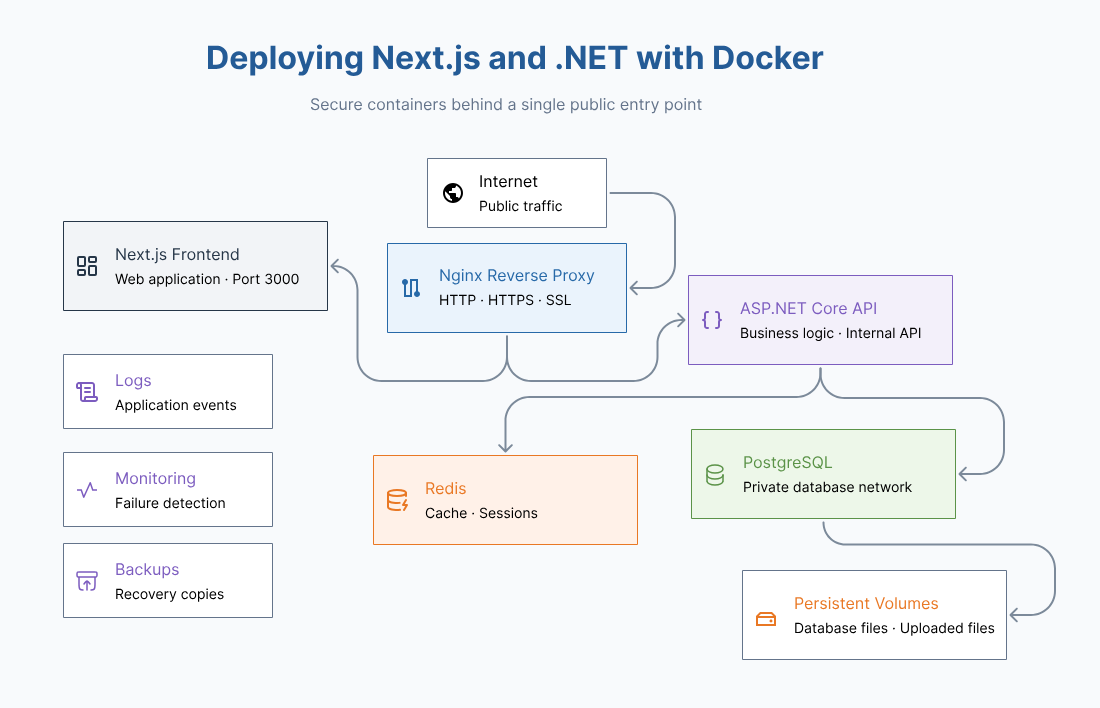
A production-oriented deployment structure using Docker, Nginx, SSL and internal-only application ports.
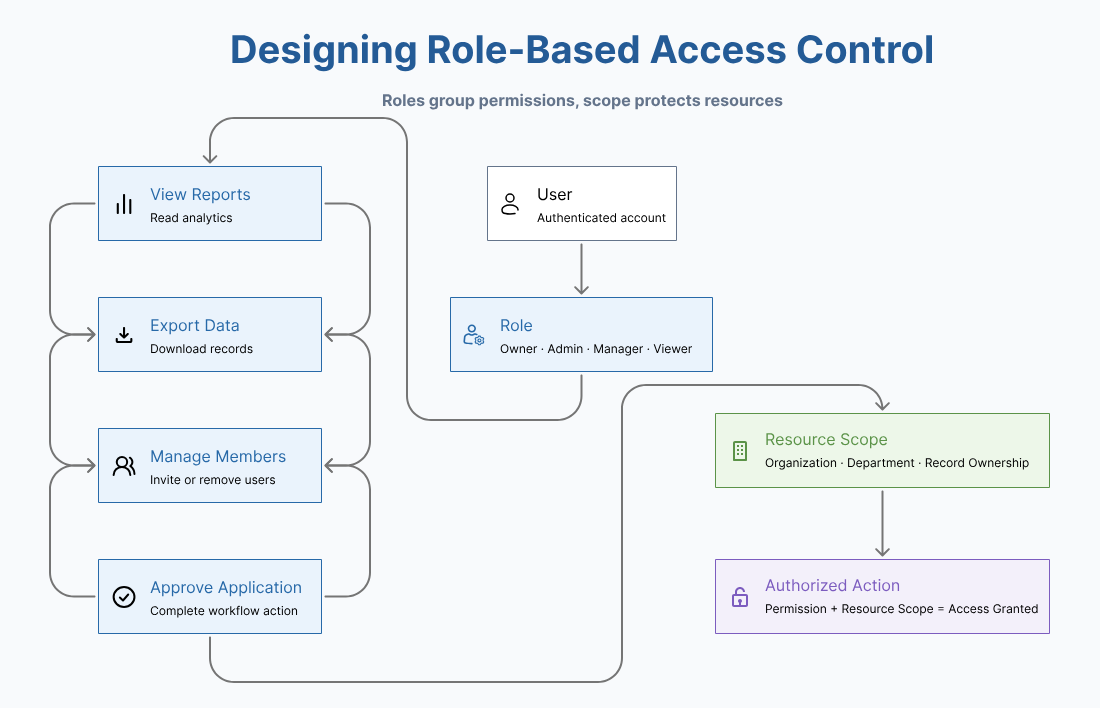
Roles are useful, but permissions provide the flexibility needed for complex business and institutional workflows.